
Loading...
Serving Petaluma, CA and surrounding areas. (707) 750-8396
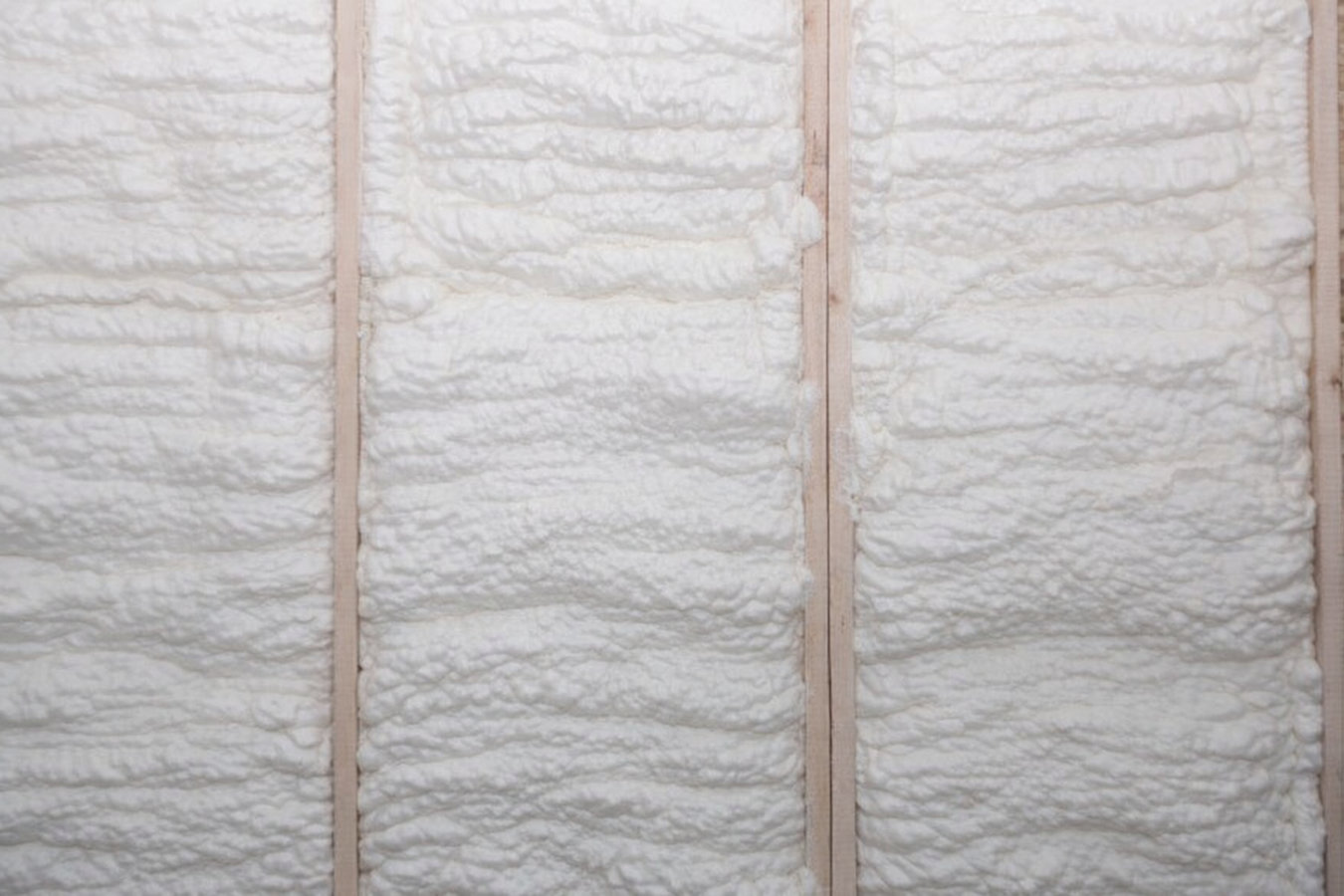
Tired of drafty rooms and high PG&E bills? Open-cell foam seals the gaps older Petaluma homes have had since they were built, cutting heating costs and keeping smoke out.
Open-cell foam insulation in Petaluma fills attic, wall, and crawl space cavities with an expanding foam that seals air leaks and insulates at the same time - most residential attic projects are completed in one to two days.
Petaluma sits in a gap in the coastal hills that funnels cool Pacific air through the valley, especially in the afternoons and evenings. Homes here can swing from warm mornings to genuinely cold evenings within a few hours - and if your home has gaps in the attic or walls, outside air is constantly sneaking in to fight your heating and cooling system. Open-cell foam insulation expands to fill those gaps completely, something traditional fiberglass batts cannot do.
Many Petaluma homeowners pair open-cell foam with other services to give their home a complete thermal upgrade. If you are looking at your attic, combining open-cell foam with attic air sealing gives you the most complete improvement in comfort and smoke protection. For spray foam across the whole house, see our spray foam insulation service for a full comparison of foam types.
Petaluma's afternoon marine layer pushes cool air in from the coast, and if your home drops in temperature noticeably after sunset even with the heat running, cold air is getting in through gaps rather than your heating system failing. Run your hand along baseboards, around window frames, and near electrical outlets on exterior walls. If you feel a draft, you have air leaks that fiberglass batts cannot close but open-cell foam can.
If your PG&E bill feels out of proportion to the size of your home or how cold it actually gets in Petaluma, inadequate insulation is one of the first things to investigate. Petaluma's climate is mild enough that a well-insulated home should not need to run heating or cooling heavily for most of the year. High bills in a mild climate are a clear signal that conditioned air is escaping before it can do its job.
If smoky outdoor air finds its way into your living spaces during a wildfire event, your home has gaps that are letting outside air in. This is especially common in attics and crawl spaces where older Petaluma homes have large, unsealed openings. Open-cell foam applied to the attic floor or roof deck seals those pathways and keeps outdoor air - including smoke - from entering through the top of the house.
If you can safely look into your attic and the insulation is less than about 10 inches deep, looks compressed, or appears patchy or discolored, it is likely underperforming. Many Petaluma homes built in the 1960s and 1970s still have the original fiberglass batts or blown-in cellulose that has settled and degraded over decades. Replacing or supplementing it with open-cell foam will make a noticeable difference in how the house feels.
We install open cell spray foam in attics, crawl spaces, and walls throughout Petaluma and surrounding Sonoma County. For attic installations, we spray the foam directly onto the underside of the roof deck or across the attic floor, depending on whether you want a conditioned attic or a vented one. The foam expands within seconds to fill every irregular gap - including the oversize framing gaps common in Petaluma homes built before 1980. For walls, open-cell foam is a strong choice for open cavities during a remodel. Pairing open-cell foam with attic air sealing addresses both the insulation value and the air movement problem at the same time, giving older Petaluma homes the most complete thermal upgrade available.
If you are comparing foam types, open-cell is softer and more permeable than closed-cell, which makes it a better fit for attics and interior walls in Petaluma's mild climate. For areas with ground moisture - like crawl spaces near the Petaluma River - we may recommend pairing open-cell foam with a vapor barrier or switching to spray foam insulation using a closed-cell product. According to the Spray Polyurethane Foam Alliance, proper installation technique is one of the most important factors in long-term performance, and we follow their installation guidelines on every project. California homeowners may also qualify for PG&E rebates when adding foam insulation to an existing home.
The most common application - foam is sprayed onto the attic floor or roof deck to seal gaps and insulate in one step, best for homes with accessible attic space.
Ideal for walls that are open during a remodel - foam fills each cavity completely, including irregular framing gaps common in older Petaluma construction.
Suitable for dry crawl spaces - foam is applied to the subfloor or crawl space walls, often combined with a vapor barrier for homes near low-lying or riverside areas.
For homeowners who want the most complete improvement - open-cell foam and targeted air sealing are installed together, addressing both heat transfer and air movement in a single visit.
Petaluma sits in a natural wind corridor where cool, moist Pacific air is funneled through the hills every afternoon. Locals call it the Petaluma Gap, and it makes this area noticeably cooler and windier than inland Sonoma County towns just a few miles away. Standard batt insulation slows heat movement through walls and ceilings, but it cannot stop air from flowing through the gaps that older framing leaves behind. Open-cell foam fills those gaps as it cures, which is why it tends to outperform batts in Petaluma's older west-side Victorian and Craftsman neighborhoods. Homeowners in Rohnert Park and Novato face similar marine-influenced conditions and see comparable improvements after open-cell foam installation.
Sonoma County wildfire smoke events have also made air sealing a higher priority for Petaluma homeowners than it was a decade ago. Open-cell foam reduces the pathways that smoke uses to enter a home through the attic and wall cavities - which matters for families with children, elderly members, or anyone with respiratory concerns. California also sets minimum insulation performance standards through its building energy code, and open-cell foam typically exceeds those minimums when properly installed, which means less friction on permitted projects going through the City of Petaluma Building Division. The California Energy Commission publishes the current standards that apply to insulation work in Petaluma.
We respond to all inquiries within one business day. When you reach out, we will ask a few quick questions about your home and the area you want insulated so we can arrive prepared. No commitment required at this stage.
A technician visits your attic, crawl space, or walls, checks existing insulation, looks for moisture issues, and measures the space. You get a written estimate before they leave. The visit takes 30 to 60 minutes and costs nothing.
Once you approve the estimate, we confirm your installation date. If a permit is required for your project, we handle the application with the City of Petaluma Building Division. We give you a clear prep list so there are no surprises on installation day.
The crew arrives, masks off adjacent surfaces, and sprays the foam in passes. Most single-home attic jobs finish in one day. We walk you through the completed work, show you coverage, and answer any questions before packing up.
Free in-home estimate. Written quote before we leave. No obligation.
(707) 750-8396We install foam in homes throughout the Petaluma Gap wind corridor every week. We know how Petaluma's marine air behaves, which parts of older homes leak the most, and where to focus first to get the biggest improvement in comfort for your dollar.
We serve all 12 communities in our service area, from Petaluma and Santa Rosa to Novato and Napa. That means you get a contractor who is already familiar with local building styles, permit offices, and PG&E rebate requirements - not someone learning your city on your job.
Foam insulation is what we do day in and day out, and we bring that focused experience to every job. We are not a general contractor who adds foam on the side - our crews know how open-cell foam behaves in Petaluma's housing stock and install it to perform for the life of your home.
We follow installation guidelines from the{' '}Spray Polyurethane Foam Alliance on every project. That means consistent coverage depth, proper chemical ratios, and no thin spots. A good foam job is invisible once it cures - the only way you know it was done right is consistent performance over time.
Petaluma homes have specific needs that a contractor who works here every day understands. We bring that local knowledge to every estimate and every installation, so you get results that match your home and your climate - not a generic approach copied from a warmer or drier market.
Close the gaps in your attic floor before adding insulation - air sealing addresses what batts and foam cannot fix on their own.
Learn moreCompare open-cell and closed-cell foam options to find the right fit for each area of your Petaluma home.
Learn moreFoam prices and availability change with California material costs - lock in your estimate now before the next price adjustment hits.