
Loading...
Serving Petaluma, CA and surrounding areas. (707) 750-8396
Petaluma Insulation is an experienced insulation contractor serving Vacaville, CA with blown-in insulation, attic insulation, and crawl space insulation - with hands-on experience in the stucco-sided, tract-built homes that fill this Solano County city, and a track record of same-season scheduling and replies within 1 business day.
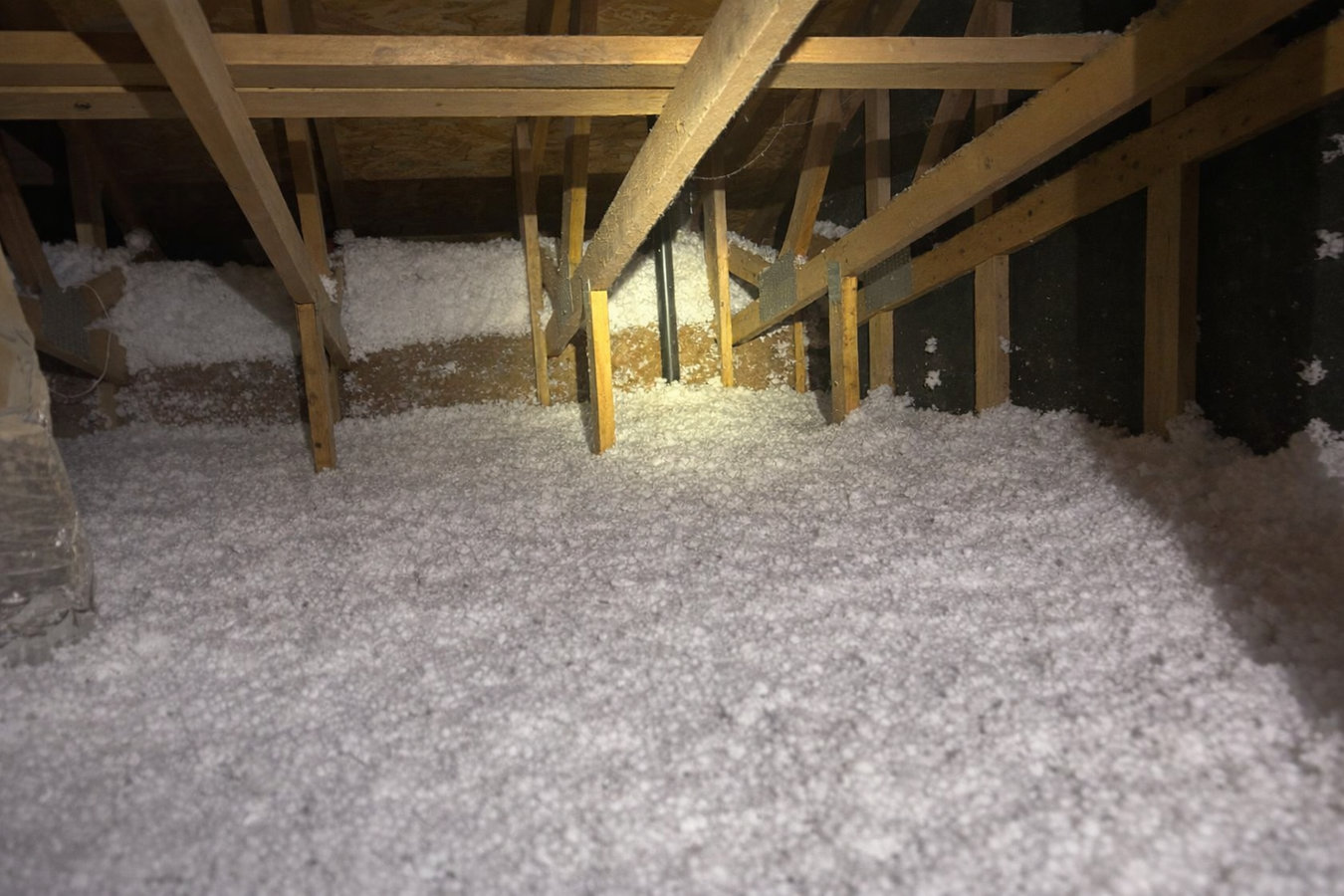
Most Vacaville homes built in the 1970s through the 1990s were insulated to standards that fall well short of what California requires today - and blown-in cellulose or fiberglass can bring an attic up to current R-value targets in a single day without opening ceilings. Crews access your attic through the existing hatch, seal air gaps first, and blow material to an even depth. See the full details on our blown-in insulation service.
Vacaville summers regularly push attic temperatures past 140 degrees in homes with thin coverage, and that heat radiates through ceilings all afternoon while your air conditioner fights it. Bringing attic insulation up to California Title 24 levels for this inland climate zone cuts that radiant load directly and reduces what you spend cooling the house through July and August.
Much of Vacaville sits on expansive clay soil that holds moisture during wet winters and cracks in dry summers. Older homes near downtown and on the east side with raised foundations pull that ground moisture up through vented crawl spaces, making floors cold in winter and creating conditions for wood rot and mold. Insulating and sealing the crawl space stops that cycle and protects the structure over the long term.
Spray foam is the right tool when gaps are irregular, moisture is present, or you need the highest R-value per inch possible in a tight space. For Vacaville homes with crawl spaces that have ongoing moisture exposure, or for older homes near downtown with decades of patched plumbing and wiring creating air leakage pathways, closed-cell spray foam seals and insulates in a single application.
The stucco-sided ranch homes and two-story houses throughout Vacaville were often built with empty or sparsely filled wall cavities - and that becomes obvious when outdoor temperatures push past 100 degrees and you can feel heat radiating in through the walls by mid-afternoon. Dense-pack cellulose blown through small holes in the siding or interior drywall fills those cavities without any need to tear out finished surfaces.
Vacaville was directly affected by the 2020 LNU Lightning Complex fire, and wildfire smoke from late-summer fires is now an annual reality across Solano County. The gaps around attic penetrations, recessed lights, and old plumbing bypasses that let conditioned air escape also let smoke inside. Sealing those openings - done before blown-in insulation goes in - makes your home more efficient and noticeably cleaner during fire season.
Vacaville grew fast through the 1970s, 1980s, and 1990s as families moved out of more expensive Bay Area cities, and the housing built during that period reflects it. Most homes are stucco-clad, single-family tract houses with tile roofs and attached two-car garages. At 30 to 50 years old, a large share of that housing stock is now reaching the age where attic insulation has settled, crawl spaces have been through decades of wet and dry cycles, and the original wall cavities - often empty or minimally filled - are showing their age. California currently requires R-38 to R-60 for attic insulation in this climate zone, and most Vacaville homes built before 1990 fall well short of that. The older homes closer to downtown - small ranch houses and mid-century bungalows built in the 1940s through 1960s - often have even less to start from. A contractor who works in Vacaville regularly understands the specific building stock here, not just general insulation principles.
The climate in Vacaville creates demand that is different from most of the Bay Area. Summers are genuinely harsh - temperatures above 95 degrees are common from June through September, with heat waves that push past 100 degrees lasting days at a time. That heat is relentless on anything exposed to the sun, and an attic with inadequate insulation becomes a heat source that your air conditioner has to fight continuously. Winters are mild by most standards, but the rainy season from November through March brings concentrated rainfall that tests crawl spaces and drainage around foundations. The clay soil that underlies much of Solano County - including Vacaville - swells when wet and shrinks when dry, and that seasonal movement is one of the main reasons driveways crack and foundations shift over time. That same soil movement opens small gaps in older construction that add up to real air leakage. Wildfire smoke from late-summer fires is now a recurring issue across the region, and Vacaville homeowners who had their homes air-sealed noticed a significant difference during the 2020 LNU fires.
We work in Vacaville regularly and coordinate with the City of Vacaville Building Division when projects require permits. The housing in this city varies more than it looks from the outside. A 1970s ranch home near downtown with original stucco and a vented crawl space has a completely different set of insulation challenges than a two-story subdivision house built in the late 1990s near Leisure Town Road, and both differ from the older mid-century homes near Andrews Park. We have worked in all of them, and we come to each job prepared for what the property actually needs - not a one-size approach.
Getting around Vacaville is straightforward. Interstate 80 runs through the center of the city and is the main route in from Fairfield to the west and Sacramento to the east. Nut Tree Road and Alamo Drive are the main east-west corridors through residential neighborhoods. The areas near downtown and Peabody Road tend to have the oldest housing stock, while the newer subdivisions are concentrated on the north and east sides. Homeowners on both sides of town run into the same problem in summer - inadequate insulation and an air conditioner that cannot keep up - and we serve the whole city. Nearby, we also work regularly in Concord and Fairfield, where similar tract-built housing stock from the same era creates the same insulation needs.
We reply to all Vacaville inquiries within 1 business day. Have ready your home address, approximate year built, and a brief description of what you are noticing - high bills, rooms that will not cool down, cold floors in winter. That information helps us come prepared for the visit.
We visit your Vacaville home, go into the attic to measure current insulation depth and check for air leaks, and inspect the crawl space if relevant. You receive a written, itemized quote before we leave - no follow-up calls required to get a number. The estimate visit is free and comes with no obligation.
On installation day, the crew starts by sealing gaps around light fixtures, plumbing penetrations, and attic bypasses before any insulation goes in. This is the step most contractors skip - and skipping it means you lose a significant portion of the benefit. You do not need to vacate your home for blown-in work, though keeping pets and children away from the attic access area makes things easier.
A standard blown-in attic job in a Vacaville home takes one day. The crew checks depth at multiple points to confirm even coverage, then cleans up and does a final walkthrough with you before leaving. If the project includes crawl space work or wall insulation, plan for two days total.
We serve all of Vacaville, CA. Free estimates, replies within 1 business day, and no pressure to sign anything on the spot.
(707) 750-8396Vacaville is a city of about 102,000 people in Solano County, sitting roughly halfway between Sacramento and the San Francisco Bay Area along Interstate 80. The city grew steadily through the late 20th century as families and workers relocated from more expensive Bay Area cities - and that growth shows in the housing stock, which is dominated by owner-occupied single-family homes, most built between the 1970s and early 2000s. The homeownership rate is above 60 percent, which is high by California standards, and reflects a community where people tend to put down roots and invest in maintaining their properties. The city is best known regionally for the Vacaville Premium Outlets, which draw shoppers from across Northern California, and for its position as a commercial hub between the Bay and Sacramento. The Nut Tree area, built on the site of the historic roadside destination that generations of Californians remember from I-80 road trips, anchors the retail core near the freeway.
The neighborhoods closest to downtown - along Peabody Road, near Andrews Park, and in the older streets off Merchant Street - have the city's oldest housing stock, including small ranch homes and mid-century bungalows built in the 1940s through 1960s. These are the homes most likely to have original or degraded insulation and the most to gain from an upgrade. Newer subdivisions on the north and east sides of Vacaville, including neighborhoods off Orange Drive and around Leisure Town Road, were built in the 1990s and early 2000s with larger lots and newer construction. Both ends of the city deal with Vacaville's summer heat - it just takes different approaches. We work across all of it. Our service area also includes Concord to the south and west, where tract-built East Bay homes from a similar era face their own set of insulation challenges tied to the same inland heat patterns.
High-performance spray foam that seals and insulates in a single application.
Learn moreKeep heat in winter and out in summer with properly installed attic insulation.
Learn moreLoose-fill insulation blown into place for fast, even coverage in any space.
Learn moreWhole-home insulation solutions that improve comfort and reduce energy bills.
Learn moreSafe removal of old, damaged, or contaminated insulation from any area of your home.
Learn moreRetrofit or new-construction wall insulation for better thermal and sound performance.
Learn moreEliminate drafts and energy loss by sealing air leaks throughout your home.
Learn moreInsulate basement walls and rim joists to prevent heat loss and moisture issues.
Learn moreDense, moisture-resistant closed-cell foam with industry-leading R-value per inch.
Learn moreLightweight open-cell foam ideal for interior walls, ceilings, and sound control.
Learn moreSeal attic bypasses to stop conditioned air from escaping into the attic.
Learn moreHeavy-duty vapor barriers that block ground moisture from entering your crawl space.
Learn moreProfessional vapor barrier installation for crawl spaces, basements, and walls.
Learn moreAdd insulation to existing walls and structures without full demolition.
Learn moreCommercial-grade insulation for offices, warehouses, and multi-unit buildings.
Learn moreServing these cities and communities.
Call us or submit an online request and we will reply within 1 business day. No pressure, no obligation - just a straight answer on what your home needs.