
Loading...
Serving Petaluma, CA and surrounding areas. (707) 750-8396
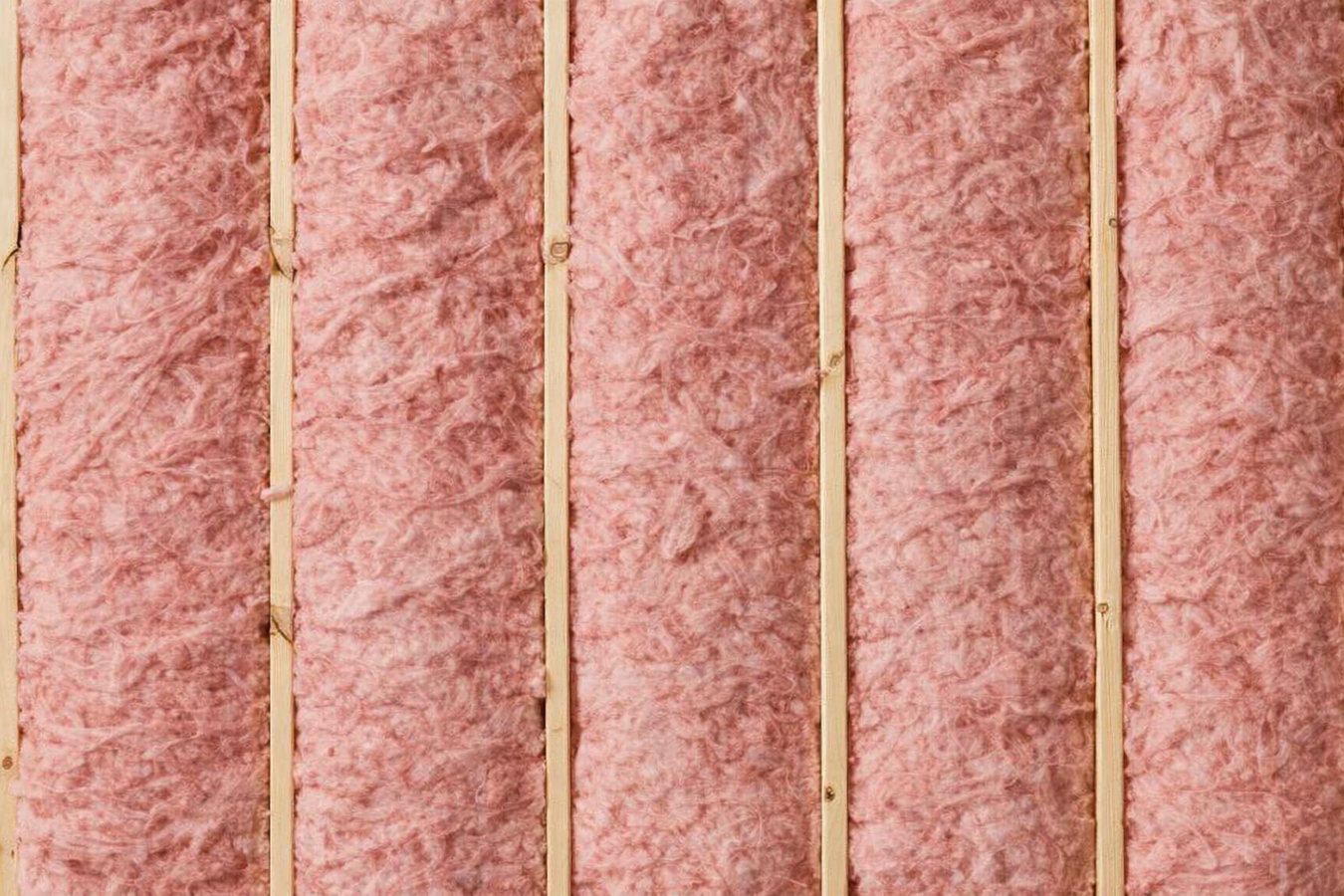
Petaluma Insulation is an experienced insulation contractor serving Concord, CA with wall insulation, attic insulation, and crawl space insulation - with hands-on experience in the postwar ranch homes and stucco-sided houses built across Contra Costa County, and a commitment to replies within 1 business day.
The single-story ranch homes that fill Concord neighborhoods from the 1950s through the 1970s were built with wall cavities that were often left completely empty - a decision that made sense under the building codes of that era but creates real comfort and energy problems today. Dense-pack cellulose blown through small holes in the stucco or interior drywall fills those cavities without any need to open finished walls. Learn more about our wall insulation service.
Concord sits inland from the coast and heats up significantly in summer - temperatures above 90 degrees are common from June through September, and attic temperatures in under-insulated homes push well past 130 degrees on hot days. Most Concord homes built before the 1990s have attic coverage that falls far short of the R-38 to R-60 California recommends for this climate zone. Bringing it up to that level cuts the heat load on your AC and makes the whole house noticeably more livable.
Many Concord ranch homes sit on raised foundations with vented crawl spaces that pull in cool, damp air during wet winters. The expansive clay soil throughout Contra Costa County holds moisture for months after the rainy season, and that ground-level humidity works its way up into uninsulated crawl spaces - making floors cold and creating conditions for wood rot and mold over the long term. Insulating and sealing the crawl space addresses both problems.
Older Concord homes - particularly those near downtown and around Todos Santos Plaza that date to the 1940s and 1950s - have accumulated decades of plumbing patches, wiring updates, and structural repairs that leave irregular gaps no batt insulation can fully seal. Spray foam fills those gaps while insulating, and closed-cell foam in a crawl space provides a vapor barrier in one step. It is the right tool when the spaces being insulated are too irregular for conventional materials.
For Concord attics with irregular framing, low clearance, or obstacles from old HVAC work, blown-in cellulose or fiberglass reaches where batts cannot. The material fills around obstructions and reaches all the way to the eaves without leaving cold spots. It is also the faster option for topping up an attic that has some existing coverage but not enough - crews can typically complete a standard Concord attic in a single day.
Concord homes built in the 1960s and 1970s sometimes have attics where the original insulation has been flattened by foot traffic during HVAC work, damaged by past roof leaks, or disturbed by rodents over the years. Installing new material over compromised old insulation traps the problem underneath and reduces the performance of the new layer. We remove what is there, inspect the attic floor, and start clean.
Concord is the largest city in Contra Costa County, and a significant share of its housing was built during the postwar suburban boom from the 1950s through the 1970s. The dominant housing type is the single-story ranch house - stucco exterior, attached garage, modest yard, low-pitched roof. These homes were built quickly and economically, and insulation standards at the time were minimal. Wall cavities were often left empty, attic coverage rarely exceeded what was required by the building codes of that decade, and crawl spaces were vented and left uninsulated as a matter of course. By California's current standards - R-38 to R-60 in the attic for this climate zone, and meaningful wall insulation on all exterior surfaces - most Concord homes built before 1985 are significantly under-insulated. That gap between what is there and what should be there is what drives most of our work in Concord.
The climate and soil conditions in Concord amplify the problem. Summers are dry and hot - regularly above 90 degrees from June through September, with the kind of sustained heat that makes an under-insulated home uncomfortable from mid-morning until well after sunset. Winters are mild but wet, with most rainfall concentrated from November through March. That wet season saturates the expansive clay soil that underlies much of Contra Costa County, and as that soil swells and then shrinks through the dry summer, it gradually opens small gaps in older foundations and framing connections. Over 40 or 50 years of those seasonal cycles, the air leakage in an older Concord home adds up to a real problem - one that no amount of new insulation can fully fix without also sealing the gaps. Wildfire smoke from late-summer fires in the surrounding hills and Sierra Nevada is now a recurring seasonal issue in the East Bay, and homeowners who have addressed air sealing report a meaningful difference in indoor air quality during smoke events.
We work in Concord regularly and coordinate with the City of Concord Building Division when projects require permits. Concord is a large city and the housing varies considerably depending on which part of town you are in. The streets around downtown and near Todos Santos Plaza have homes from the 1940s and 1950s - smaller lots, older construction, and insulation situations that often require removal before new material can go in. The larger ranch homes and two-story houses built in the 1970s and 1980s in neighborhoods toward Clayton Road and the hills have their own set of challenges - larger attic spans, stucco drilled for wall insulation, and crawl spaces that have been through decades of Contra Costa clay movement.
Getting around Concord is straightforward. Highway 4 and Interstate 680 are the main freeways, with Willow Pass Road and Clayton Road serving as the main east-west corridors through residential neighborhoods. Mount Diablo rises to the southeast and is visible from most of the city - if you can see it from your street, you are in our service area. We serve all of Concord. We also work regularly in Antioch to the east along Highway 4, where the tract homes built during the same postwar decades have nearly identical insulation profiles, and in Vacaville to the north, where the same inland summer heat creates the same demand for upgraded attic and wall insulation.
We reply to all Concord inquiries within 1 business day. When you reach out, have your home address and year built ready - that information helps us prepare for the visit. Tell us briefly what you are experiencing, whether that is high PG&E bills, rooms that will not cool down in summer, or cold floors in winter.
We visit your Concord home and inspect the attic, walls, and crawl space as relevant. You receive a written, itemized quote before we leave - no follow-up calls to get a number. The estimate covers exactly what will be done, what materials will be used, and the total cost. This visit is free and comes with no obligation to move forward.
On installation day, we start by sealing gaps around light fixtures, plumbing penetrations, and attic bypasses before blowing in any material. This step is easy to skip and invisible once the insulation covers it - but skipping it means losing a significant portion of the energy savings. You can stay home during blown-in work; spray foam requires a 24-hour evacuation.
A standard blown-in attic job in a Concord ranch home takes one day. Wall insulation on a single-story home also typically takes one day. The crew checks coverage at multiple points, patches any holes from blown-in wall work, and does a final walkthrough with you before leaving. For projects covering attic and walls together, plan for two days.
We serve all of Concord, CA and the surrounding East Bay. Free estimates, replies within 1 business day, no pressure to sign anything at the visit.
(707) 750-8396Concord is the largest city in Contra Costa County with about 130,000 residents, making it one of the major cities of the East Bay. The city grew rapidly during the postwar suburban boom of the 1950s and 1960s, and that growth shaped the housing stock that still defines most Concord neighborhoods - single-story ranch homes on modest lots, stucco exteriors, attached garages, and quiet residential streets laid out in a grid. About 55 percent of housing units are owner-occupied, which is above average for a California city of this size and reflects a community of long-term residents with a stake in keeping their properties well maintained. Downtown Concord centers on Todos Santos Plaza, a tree-lined public square that hosts farmers markets and community events and serves as the heart of the city. The Concord Pavilion, a large outdoor amphitheater in the hills to the east, is one of the best-known venues in the East Bay.
The older neighborhoods near downtown - streets within a few blocks of Todos Santos Plaza and running east toward Clayton Road - have homes from the 1940s and 1950s that are among the oldest in the city. These are the properties most likely to have empty wall cavities, minimal attic coverage, and crawl spaces that have never been addressed. Newer subdivisions on the edges of the city, closer to the slopes leading toward Mount Diablo to the southeast, were built in the 1990s and early 2000s and present a different profile - better starting insulation but aging materials and, in some cases, coverage that was minimal even by the standards of that era. We serve homeowners across all of Concord. We also work in Antioch, where the corridor along Highway 4 connects communities with very similar housing stock and the same demand for insulation upgrades in aging single-family homes.
High-performance spray foam that seals and insulates in a single application.
Learn moreKeep heat in winter and out in summer with properly installed attic insulation.
Learn moreLoose-fill insulation blown into place for fast, even coverage in any space.
Learn moreWhole-home insulation solutions that improve comfort and reduce energy bills.
Learn moreSafe removal of old, damaged, or contaminated insulation from any area of your home.
Learn moreRetrofit or new-construction wall insulation for better thermal and sound performance.
Learn moreEliminate drafts and energy loss by sealing air leaks throughout your home.
Learn moreInsulate basement walls and rim joists to prevent heat loss and moisture issues.
Learn moreDense, moisture-resistant closed-cell foam with industry-leading R-value per inch.
Learn moreLightweight open-cell foam ideal for interior walls, ceilings, and sound control.
Learn moreSeal attic bypasses to stop conditioned air from escaping into the attic.
Learn moreHeavy-duty vapor barriers that block ground moisture from entering your crawl space.
Learn moreProfessional vapor barrier installation for crawl spaces, basements, and walls.
Learn moreAdd insulation to existing walls and structures without full demolition.
Learn moreCommercial-grade insulation for offices, warehouses, and multi-unit buildings.
Learn moreServing these cities and communities.
Call us or submit a request online and we will reply within 1 business day. No obligation - just a straight answer about what your home actually needs.