
Loading...
Serving Petaluma, CA and surrounding areas. (707) 750-8396
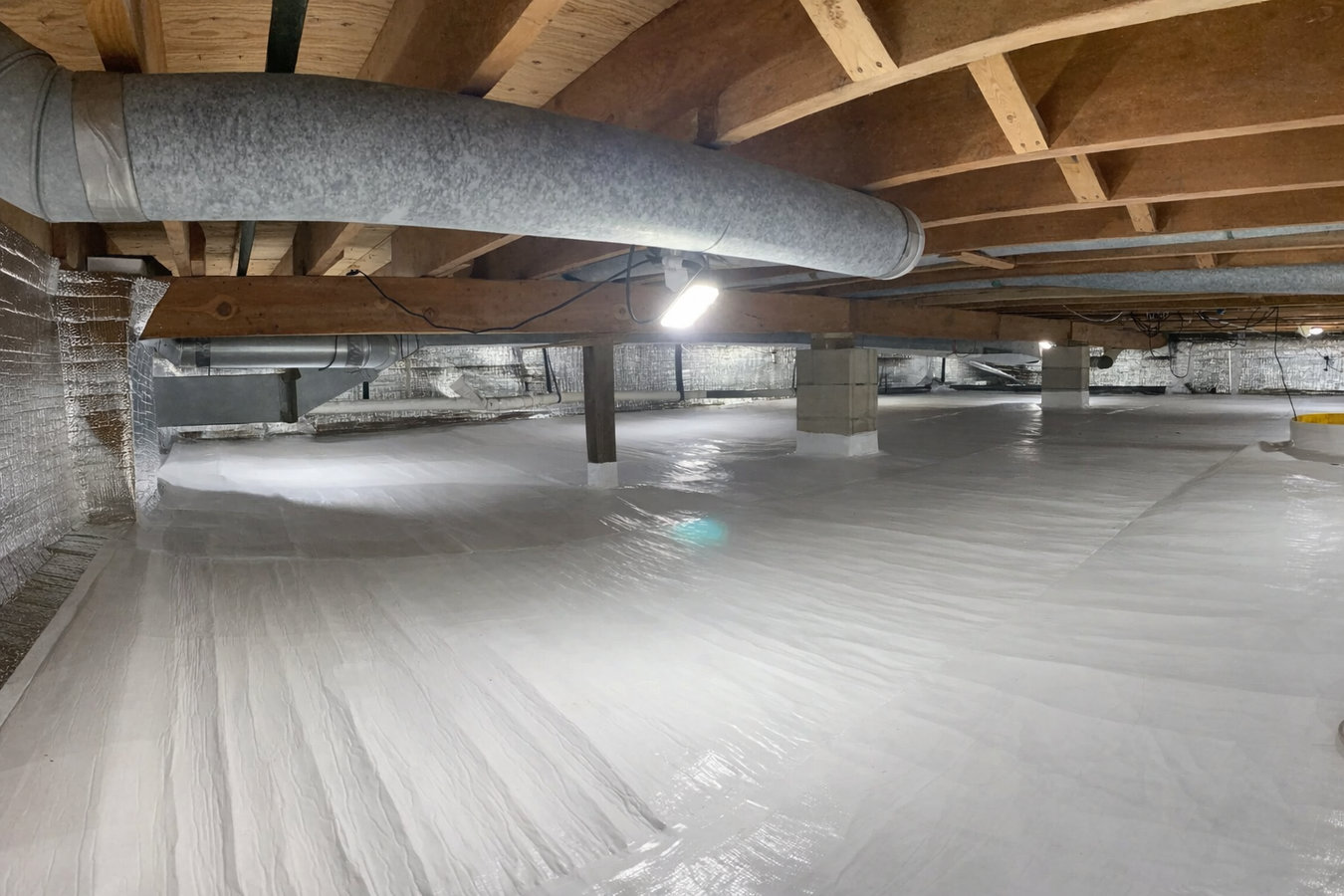
Cold floors and musty smells often trace back to one place: an uninsulated crawl space. Proper insulation and a vapor barrier stop heat from escaping and moisture from building up under your Petaluma home.
Crawl space insulation in Petaluma CA acts as a thermal blanket between your cold, damp subfloor and your living space - most residential jobs are completed in one to two days and include a vapor barrier to manage moisture from the ground up.
Many Petaluma homeowners live with cold floors all winter and assume that is just how older homes feel. It does not have to be. The crawl space beneath your home is often either completely uninsulated or lined with original 1960s material that has long since compressed and failed. When that space is open to cold, damp ground air, it drags heat out of your floors and makes your heating system run longer than it should.
If your Petaluma home has water stains, a musty smell, or fallen insulation visible through the crawl space access hatch, it is worth having a contractor look at both the insulation and the moisture situation together. Pairing crawl space work with wall insulation addresses heat loss from the floor and the exterior walls at the same time, which gives older Petaluma homes the most complete thermal upgrade possible.
If you walk across your kitchen or living room floor on a winter morning and it feels noticeably cold underfoot, that is often a sign that cold air from the crawl space is transferring up through the subfloor. In Petaluma, where winter nights regularly dip into the upper 30s, this is one of the most common complaints homeowners bring to insulation contractors. The fix is rarely the heating system itself.
A persistent musty odor in rooms closest to the ground floor is a strong signal that moisture is building up in your crawl space. Petaluma's marine air keeps crawl spaces damp for much of the year, and that moisture can produce mold or mildew that you smell before you ever see it. Addressing the insulation and vapor barrier together is the only way to break that cycle.
If your furnace or heat pump seems to run constantly without getting your home to a comfortable temperature, the problem may not be the equipment - it may be that conditioned air is escaping through an uninsulated or poorly insulated crawl space. This is especially common in Petaluma homes built before the 1980s, which often have little to no floor insulation.
If you can safely peek into your crawl space access point and see insulation hanging down, plastic sheeting that is torn or bunched up, or gaps where the ground is exposed, those are clear signs the existing insulation system has failed. Fallen batts provide almost no benefit and can trap moisture against the wood framing above them, which accelerates wood rot.
We install fiberglass batts, spray foam, and rigid foam board in crawl spaces throughout Petaluma and surrounding Sonoma County. Every job begins with an in-person assessment to check what is currently in the space, measure the area, and identify any moisture, mold, or pest damage that needs to be addressed before new insulation goes in. We handle old material removal when needed so new insulation goes into a clean, prepared space - not layered over a problem. For homes where moisture is a persistent concern, we pair insulation with a crawl space vapor barrier that stops ground moisture from evaporating upward into your home's structure.
For Petaluma homes with vented crawl spaces, we can insulate the floor above or convert the space to a conditioned area by sealing and insulating the walls instead - the right approach depends on your home's configuration and how much moisture the space sees. We explain both options clearly so you can make an informed decision, not just approve whatever the contractor recommends. Your contractor should handle any required permits with the City of Petaluma Building Division - ask them directly whether your job requires a permit before any work begins.
The traditional approach for vented crawl spaces - batts installed between floor joists to reduce heat loss and keep floors warmer, suited for spaces with good access and low moisture.
Applied to crawl space walls to create a conditioned, moisture-resistant space - the better option for Petaluma homes with persistent dampness from the marine climate.
A thick polyethylene sheet covering the ground and sealed to the foundation walls stops ground moisture from rising into the crawl space - often the most important part of a complete crawl space job.
When existing material has fallen, gotten wet, or been damaged by pests, we remove it completely before installing new insulation so nothing is layered over an existing problem.
Petaluma's marine climate creates persistent crawl space moisture. The city sits in the southern Sonoma County lowlands and receives regular marine air pushed inland from San Pablo Bay and the Pacific. That cool, damp air settles under homes and keeps crawl spaces wetter than homeowners often realize. Moisture control is not optional here - it is the first thing a good contractor should address before any insulation goes in. Many of Petaluma's neighborhoods, particularly in the historic downtown area and the older east side subdivisions, feature homes built in the 1950s through 1970s when crawl space insulation was minimal or nonexistent. If your home is from that era, there is a good chance the crawl space is either completely uninsulated or has original material that has degraded significantly over decades.
The North Bay also sits in an active seismic zone, and even minor ground movement can shift plastic vapor barriers and insulation batts in a crawl space out of position over time. If your home has older insulation that was installed before the last significant seismic event in the region, it is worth having a contractor check whether it is still properly seated and sealed. We serve homeowners throughout Petaluma and nearby communities including Novato and Vallejo, where the same coastal moisture conditions affect crawl spaces in older homes.
When you reach out, we will ask a few basic questions - your address, the approximate size of your home, and whether you have noticed any specific problems like cold floors or moisture. We respond within 1 business day, and we can typically schedule an on-site visit within a few days of your initial contact.
A contractor inspects the crawl space directly - checking the current insulation condition, looking for moisture or mold, measuring the space, and noting any access challenges. This visit usually takes 30 to 60 minutes. You do not need to go into the crawl space yourself. At the end, you get a written estimate that breaks down what work is recommended and why.
For most crawl space insulation jobs in Petaluma, a building permit is required. Your contractor should handle the permit application with the City of Petaluma Building Division. Ask them directly whether your specific job requires one and confirm they will pull it before work begins. Once permits are in order, the job is typically scheduled within one to two weeks.
The crew enters the crawl space, removes any old or damaged insulation if needed, addresses moisture issues such as installing or replacing a vapor barrier, and installs the new insulation. Most jobs are completed in a single day. A good contractor will walk you through what was done before they leave and provide photos if you prefer not to go into the space yourself.
We come out, inspect the space, and give you a written quote before any work begins. Most Petaluma crawl space jobs are done in a single day.
(707) 750-8396A significant share of the crawl spaces we work on in Petaluma are in homes built in the 1950s through 1970s - and most of them have a moisture problem, not just an insulation problem. We assess both before recommending anything, because installing new insulation into a damp crawl space is a waste of money. Moisture control comes first, insulation second.
Every quote is itemized so you know the cost of the insulation, the vapor barrier, and any removal work separately. If we find unexpected damage during the job, you hear about it before we proceed - not when you get the bill. That transparency is standard on every project we do.
We handle the permit process with the City of Petaluma Building Division on jobs that require it, so you do not have to navigate that yourself. When a permit is pulled, a city inspector signs off on the completed work - giving you independent confirmation that the job meets local standards. That documentation is worth having when you sell the home.
Every job starts with a free written estimate that spells out the scope, materials, and price in plain terms - no vague numbers over the phone. You will know exactly what the work involves and what it costs before you commit. A contractor worth hiring will have no hesitation putting all of that in writing.
These points add up to one thing: you can trust that the work will be done correctly, permitted where required, and completed without surprises. Ask for references and a written estimate before you hire.
California energy efficiency requirements for crawl spaces are published by the California Energy Commission. Moisture control guidance for crawl spaces is available from the U.S. Environmental Protection Agency. Permit requirements are managed by the City of Petaluma Building Division.
Pair crawl space work with wall insulation for a complete thermal upgrade that addresses heat loss from both the floor and the exterior walls.
Learn moreStop ground moisture before it damages your insulation - a properly installed vapor barrier is the foundation of any lasting crawl space improvement.
Learn moreBefore the next cold stretch hits this winter, get your crawl space insulated and your floors warm - call or fill out the form to book your free assessment.