
Loading...
Serving Petaluma, CA and surrounding areas. (707) 750-8396
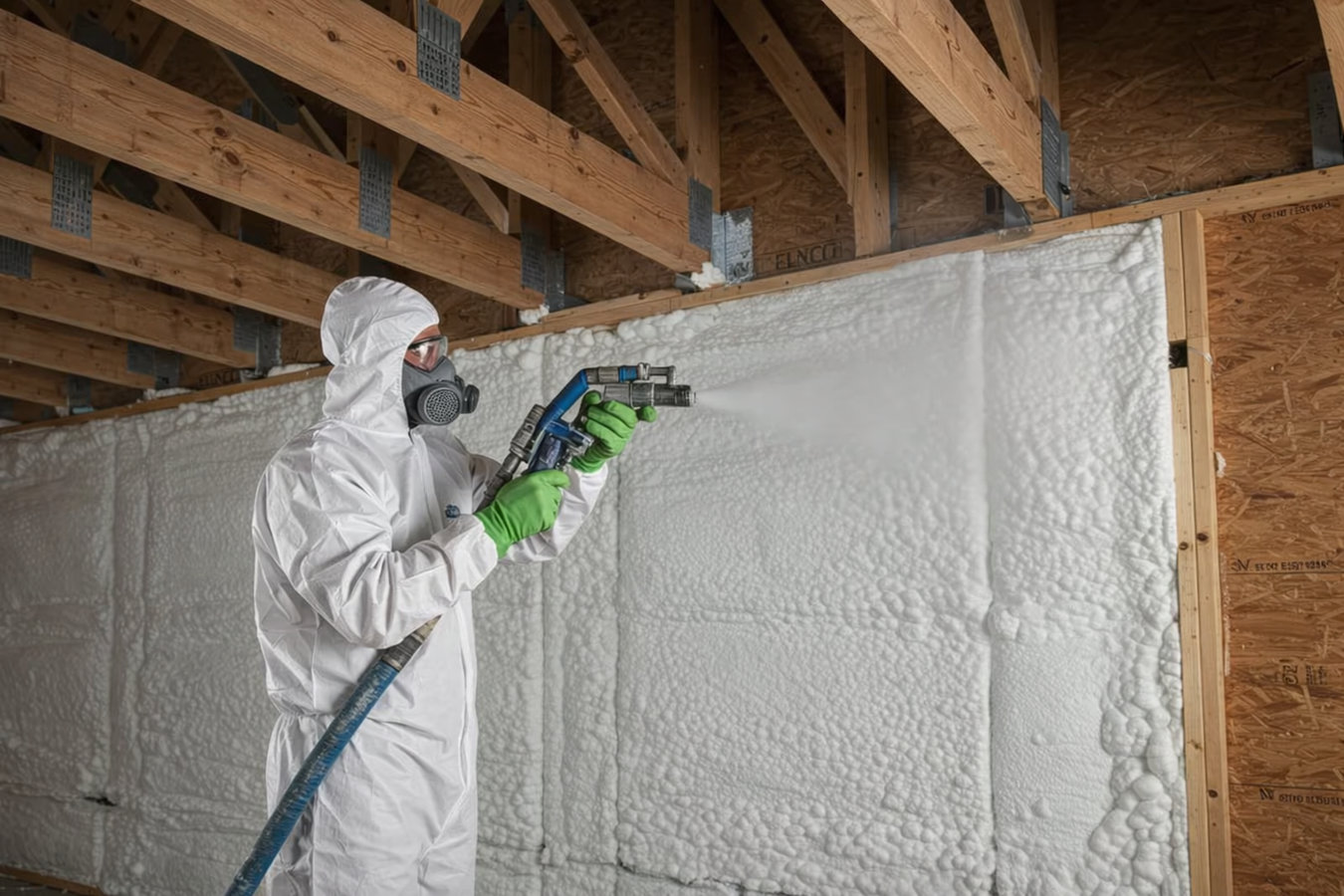
Petaluma Insulation provides spray foam insulation, attic insulation, and crawl space insulation to Napa homeowners - an experienced insulation contractor with experience in the Victorian, Craftsman, and mid-century homes that make up much of Napa, serving the area with free estimates and replies within 1 business day.
Napa's Victorian and Craftsman homes have irregular wall cavities, old pipe chases, and gap-riddled attic floors that batt insulation cannot fully seal. Spray foam expands into those odd-shaped spaces and hardens into a continuous air barrier, which matters in a city where wildfire smoke and marine-influenced air both find their way in through the same openings. Learn more about our spray foam insulation service.
Napa summers push attic temperatures well above 130 degrees in homes without adequate coverage, and that heat radiates through ceilings all afternoon. Most homes built before 1980 in Napa have far less attic insulation than California now requires - bringing it up to current Title 24 standards for this climate zone makes a measurable difference in summer comfort and monthly PG&E bills.
Many of Napa's older homes in the downtown neighborhoods and along streets near the Napa River sit on raised foundations with vented crawl spaces that pull in damp ground-level air all year. That moisture causes wood rot and makes floors feel cold in winter. Insulating and sealing the crawl space walls and floor dramatically reduces both problems for homes that still have a raised foundation.
Victorian and Craftsman homes along Oak, Seminary, and Randolph Streets in Napa were built with wood-framed walls that were often left empty or filled with materials that degraded long ago. Dense-pack cellulose blown through small holes in the exterior or interior surface is the practical retrofit solution - the holes are patched and the original look is preserved.
During fire season, Napa homeowners surrounded by the hills and valleys that burned in 2017 and 2020 noticed smoke smell inside their homes even with windows closed. That smoke follows the same paths as drafts - gaps around old plumbing runs, attic bypasses, and recessed lights. Sealing those gaps keeps smoke out in fire season and keeps conditioned air in every other month.
Napa's older homes with large lots and mature trees are frequent targets for rodent entry, and attics with nesting damage or deteriorated original materials cannot simply be topped with new insulation. We remove contaminated or degraded material safely, inspect for pest and moisture damage underneath, and prepare the space before fresh installation begins.
A significant share of Napa's housing was built before 1960, and many of the city's most established neighborhoods - including the streets near downtown and along Oak, Seminary, and Randolph - are filled with Victorian and Craftsman bungalows from the 1880s through the 1930s. These homes were built before modern insulation standards existed. They have wood-framed walls with cavities that were either left empty or filled with materials that have long since broken down, attic floors with minimal coverage, and raised foundations with uninsulated crawl spaces that draw in cool, damp air from the ground. California now requires attic insulation at R-38 to R-60 for this climate zone - many of these older homes have nowhere close to that. The newer subdivisions built in the 1980s through 2000s on Napa's eastern and southern edges have better insulation but are now reaching the age where original materials need inspection and often replacement.
The climate in Napa puts real pressure on insulation year-round. Summers are hot and dry, with temperatures regularly climbing into the 90s from June through September - that heat pushes hard into under-insulated homes. Winters bring 25 to 30 inches of rain in a concentrated rainy season, and the moisture raises the water table, which matters for crawl spaces and basements. Wildfire smoke from the surrounding hills is now a seasonal reality, and it enters homes through the exact same gaps that insulation and air sealing address. The 2014 South Napa earthquake also left some older masonry and wood-framed homes with structural changes that opened new gaps - homes that were not fully assessed after the quake may have air leakage paths that were not there before. An insulation contractor who knows Napa's specific mix of building ages and local climate pressures understands what to look for.
We work regularly in Napa, pulling permits from the City of Napa Building Division when projects require it. Napa's housing stock is genuinely varied - a Victorian on a wide lot near the Historic District has completely different insulation challenges from a stucco ranch in a 1980s subdivision on the east side of town, and both are different from a two-story built near the newer areas on Napa's southern edge. We have worked in all of them.
Napa is easy to navigate once you know the city. Highway 29 is the main north-south corridor through town, connecting the Historic District and the Oxbow Public Market area near the Napa River to the newer neighborhoods further out. The Napa Valley Wine Train depot anchors the southern part of downtown, and most of the older Victorian and Craftsman homes are clustered within a mile or two of that area. The eastern neighborhoods past Silverado Trail tend to have the stucco ranch and tract homes from more recent decades.
We also serve homeowners in nearby Fairfield to the east, where a different mix of postwar ranch homes and newer subdivisions creates its own insulation demands, and in Vallejo to the south, another city with a large share of older housing that benefits from the same retrofit approach.
Reach out by phone or through the contact form. We respond within 1 business day and will ask a few quick questions - your home's age, approximate size, and what is prompting the call - so we arrive prepared for what your specific home is likely to need.
We inspect your attic, crawl space, and any other areas of concern, check existing insulation depth, and look for air leaks, moisture, and pest activity. For older Napa homes this step is especially important - the condition of an 1890s Craftsman is never identical to what a quick phone description suggests. You receive a written quote that breaks down exactly what is included, so there are no cost surprises.
On the scheduled day the crew seals gaps around penetrations, bypasses, and recessed fixtures before any insulation material goes in. This sequencing is what makes the thermal barrier actually perform. Most attic jobs are complete in one day. Spray foam applications require you and your pets to stay out for at least 24 hours while the foam cures.
Before we leave, we verify coverage across the full work area and walk you through what was done and why. If your project qualifies for PG&E energy efficiency rebates or the federal Inflation Reduction Act tax credit, we provide the documentation you need to submit a claim.
We serve Napa homeowners with free on-site estimates and no-pressure quotes. Most jobs are scheduled within the week - call or submit your request today.
(707) 750-8396Napa is a city of about 80,000 people at the southern end of the Napa Valley, one of the most recognized wine-producing regions in the world. The city sits at the intersection of a tourism economy and a working residential community - about half of its housing units are owner-occupied, and many residents have lived here for years or decades. The downtown area along Main and First Streets, known for its Victorian-era commercial buildings and walkable blocks near the Napa River, reflects the city's age and character. The Oxbow Public Market on the riverfront is a daily gathering spot for locals, and the Napa Valley Wine Train depot anchors the south end of downtown.
Napa's residential neighborhoods span more than a century of construction. The blocks closest to downtown hold Victorian and Craftsman homes built between the 1880s and 1930s - many with wide front porches, original wood siding, and large lots with mature oak and fruit trees. Moving outward, the eastern and southern edges of the city have ranch-style homes from the 1950s through 1970s and newer stucco subdivisions from the 1980s through 2000s. The older in-town homes carry the highest median values and also the greatest need for insulation retrofits. We also work with homeowners in nearby Vallejo to the south and throughout the North Bay area.
High-performance spray foam that seals and insulates in a single application.
Learn moreKeep heat in winter and out in summer with properly installed attic insulation.
Learn moreLoose-fill insulation blown into place for fast, even coverage in any space.
Learn moreWhole-home insulation solutions that improve comfort and reduce energy bills.
Learn moreSafe removal of old, damaged, or contaminated insulation from any area of your home.
Learn moreRetrofit or new-construction wall insulation for better thermal and sound performance.
Learn moreEliminate drafts and energy loss by sealing air leaks throughout your home.
Learn moreInsulate basement walls and rim joists to prevent heat loss and moisture issues.
Learn moreDense, moisture-resistant closed-cell foam with industry-leading R-value per inch.
Learn moreLightweight open-cell foam ideal for interior walls, ceilings, and sound control.
Learn moreSeal attic bypasses to stop conditioned air from escaping into the attic.
Learn moreHeavy-duty vapor barriers that block ground moisture from entering your crawl space.
Learn moreProfessional vapor barrier installation for crawl spaces, basements, and walls.
Learn moreAdd insulation to existing walls and structures without full demolition.
Learn moreCommercial-grade insulation for offices, warehouses, and multi-unit buildings.
Learn moreServing these cities and communities.
We serve homeowners across Napa - from older Victorians near downtown to newer subdivisions on the east side - with expert insulation work and honest pricing. Call or submit your estimate request today.