
Loading...
Serving Petaluma, CA and surrounding areas. (707) 750-8396
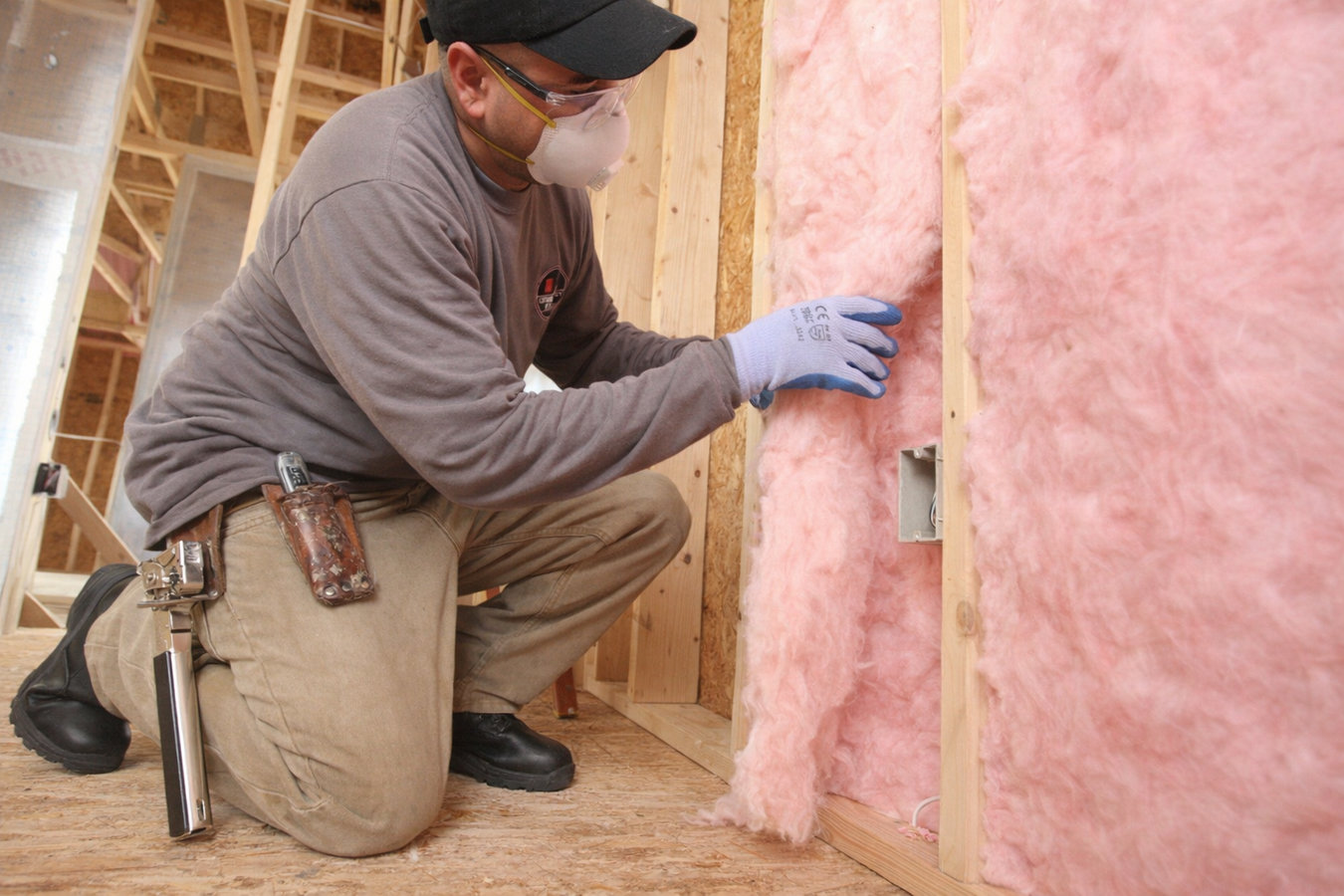
Petaluma Insulation delivers retrofit insulation, attic insulation, and crawl space insulation to San Rafael, CA - an experienced insulation contractor with hands-on experience in the 1950s ranch homes, hillside properties, and older Canal neighborhood buildings that define Marin County, serving San Rafael with free estimates and replies within 1 business day.
San Rafael has a large inventory of homes built before 1980 - from the ranch houses in Terra Linda to the older properties on the hillside streets above downtown - and most were built before California set any meaningful insulation requirements. Retrofit insulation adds material to attics, wall cavities, and crawl spaces without tearing out finished surfaces. Learn more about our retrofit insulation service.
The low-pitched roofs on Terra Linda and Sun Valley ranch homes absorb summer heat and radiate it into living spaces below, and homes without adequate attic coverage feel the effect directly. Most of these homes were built well below the R-38 to R-60 that California now requires for this climate zone. Bringing attic insulation up to current standards is typically the single highest-return upgrade for a San Rafael homeowner in this housing stock.
San Rafael receives roughly 37 inches of rain per year, concentrated from November through March, and much of that moisture eventually works its way into the crawl spaces under older homes throughout the city. Floors that feel cold in winter and crawl spaces that smell musty are both signs that the foundation area needs attention. Insulating and sealing the crawl space walls cuts cold-floor complaints and reduces the conditions that lead to mold and wood rot.
The ranch homes in Terra Linda and the older wood-frame and stucco properties on San Rafael's hillside streets were typically built with empty wall cavities. Dense-pack cellulose blown through small holes in the exterior or interior surface fills those cavities without opening up finished walls - the holes are patched cleanly, and the original appearance of the home is preserved.
San Rafael's hillside neighborhoods sit in zones mapped as high fire hazard severity areas by the state, and homes near open space and Marin County parkland face real smoke exposure during dry season. The gaps around attic bypasses, recessed lights, and old plumbing penetrations that let conditioned air out also let smoke in. Sealing those openings as part of an insulation project keeps the air inside cleaner when conditions outside deteriorate.
The clay soils common across Marin County hold moisture and release it slowly throughout the year, which means crawl spaces in San Rafael homes face ongoing ground-level humidity even outside the rainy season. Installing a vapor barrier on the crawl space floor blocks that ground moisture before it reaches the framing above. This is often the first step before any crawl space insulation goes in, especially in homes that have shown moisture staining or musty odors from below.
San Rafael is Marin County's oldest and largest city, incorporated in 1874, and a significant share of its housing stock was built before 1980. The Terra Linda and Sun Valley neighborhoods - developed heavily through the 1950s and 1960s - are filled with single-story ranch homes on modest lots that are solid, well-located properties but have never had meaningful insulation upgrades. Homes of this era were constructed before California adopted current energy codes, and wall cavities were typically left empty. Attic insulation, if it exists at all, is often the original material from installation - thin, settled, and well below the R-38 to R-60 now required by Title 24. On the hillside streets above downtown - near Dominican University and the older Mission Avenue corridors - the homes are often older Craftsman bungalows and Spanish-style stucco buildings, with different construction challenges but the same underlying gap in thermal performance. The Canal neighborhood in the southeastern part of the city has a high concentration of older multi-family buildings from the 1960s and 1970s where property owners managing multiple units often upgrade insulation and air sealing across several units at once.
San Rafael's climate creates specific and recurring pressure on insulation. The city receives about 37 inches of rain per year, almost all of it falling between November and March in concentrated storms. That concentrated moisture season means crawl spaces, slab edges, and exterior wall assemblies face months of sustained exposure every winter. Summers are dry and warm, with temperatures reaching the mid-80s to low 90s - dry enough that hillside vegetation dries out significantly by late summer, which is when fire risk peaks for the neighborhoods near open space. The clay soils that underlie much of Marin County swell when wet and shrink when dry, and that seasonal movement stresses foundations and can open gaps in older construction over time. A contractor who works regularly in San Rafael understands which of these factors to check for at each job, and how they interact differently depending on which neighborhood the home sits in.
We work in San Rafael regularly and handle permit coordination with the City of San Rafael Community Development Department when projects require it. San Rafael is a varied city to work in - the homes in Terra Linda on the north end are mostly single-story ranch houses on flat lots with attached garages, while the hillside properties above downtown have steep driveways, tight access, and older construction that requires more planning. The Canal neighborhood near the southeastern edge of the city has a different profile again - denser multi-family buildings from the 1960s and 1970s where property owners often have multiple units to address. Each part of the city has its own character, and we come prepared for what the specific property actually looks like.
San Rafael is easy to navigate once you know the geography. US-101 runs through the city north to south, with exits serving the downtown area, the Terra Linda corridor, and the neighborhoods near the Marin County Civic Center, Frank Lloyd Wright's landmark building just north of downtown. Fourth Street is the main downtown corridor and a useful landmark for the older residential streets that branch off it. Dominican University sits on the hill above downtown, and the properties in that area are among the older and more architecturally varied homes in the city.
We also serve homeowners in nearby Novato to the north, where postwar subdivisions and newer development create their own set of insulation needs, and across the county border in Petaluma to the north, where a similar mix of older homes and a marine-influenced climate shapes how insulation work gets done.
Describe your home - the age, which areas concern you, and what problems you have been noticing. We reply within 1 business day and schedule an assessment at a time that works for you.
We inspect your attic, crawl space, and any walls that seem problematic, measure what is currently there, and check for air leakage and moisture issues. You get a written estimate with no obligation - this visit is free, and we explain everything we find before recommending anything.
Most retrofit insulation projects in San Rafael are completed in one to two days. We seal air gaps first, then install the insulation. You can stay home throughout - we protect your floors and clean up before we leave.
When the work is done, we walk through the completed areas with you and provide documentation of what was installed - including R-values and materials - for your records and for any future real estate disclosures. If anything needs attention afterward, we are reachable.
We serve all of San Rafael, CA - from Terra Linda to the hillside streets above Fourth Street. Free estimates, no pressure, reply within 1 business day.
(707) 750-8396San Rafael is Marin County's oldest city and serves as the county seat, home to about 61,000 residents. Founded in 1874, the city has a long residential history that shows in its housing stock - a wide range of building ages and styles spread across terrain that shifts from flat bay-adjacent land to steep wooded hillsides. The Terra Linda and Sun Valley neighborhoods on the north end of the city are the suburban core: blocks of single-story ranch homes developed in the 1950s and 1960s, most with attached garages, low-pitched roofs, and original mechanical systems. Closer to downtown, the streets off Fourth Street and above Mission Avenue have older Craftsman bungalows, Spanish-style stucco houses, and custom homes from the early and mid-1900s. The Canal neighborhood in the southeastern part of the city is one of the most densely populated areas in Marin, with older multi-family buildings and a higher concentration of rental housing. The Marin County Civic Center, designed by Frank Lloyd Wright and completed in 1962, sits just north of downtown and is one of the most recognizable landmarks in the Bay Area.
Home values in San Rafael are well above the state average, with a median around $900,000 to $1 million, which means homeowners here have significant equity and strong motivation to maintain and improve their properties. About 55 percent of housing units are owner-occupied, a rate higher than many Bay Area cities, and owner-occupants in this price range consistently invest in repairs and upgrades rather than deferring them. The hillside neighborhoods near Dominican University of California and bordering Marin County open space sit in fire hazard severity zones, which drives additional interest in air sealing and insulation as part of overall home hardening. Homeowners in neighboring Novato to the north face a similar mix of older housing and Marin County climate conditions, and we serve both cities.
High-performance spray foam that seals and insulates in a single application.
Learn moreKeep heat in winter and out in summer with properly installed attic insulation.
Learn moreLoose-fill insulation blown into place for fast, even coverage in any space.
Learn moreWhole-home insulation solutions that improve comfort and reduce energy bills.
Learn moreSafe removal of old, damaged, or contaminated insulation from any area of your home.
Learn moreRetrofit or new-construction wall insulation for better thermal and sound performance.
Learn moreEliminate drafts and energy loss by sealing air leaks throughout your home.
Learn moreInsulate basement walls and rim joists to prevent heat loss and moisture issues.
Learn moreDense, moisture-resistant closed-cell foam with industry-leading R-value per inch.
Learn moreLightweight open-cell foam ideal for interior walls, ceilings, and sound control.
Learn moreSeal attic bypasses to stop conditioned air from escaping into the attic.
Learn moreHeavy-duty vapor barriers that block ground moisture from entering your crawl space.
Learn moreProfessional vapor barrier installation for crawl spaces, basements, and walls.
Learn moreAdd insulation to existing walls and structures without full demolition.
Learn moreCommercial-grade insulation for offices, warehouses, and multi-unit buildings.
Learn moreServing these cities and communities.
Call or message us today - we serve all of San Rafael and reply within 1 business day.