
Loading...
Serving Petaluma, CA and surrounding areas. (707) 750-8396
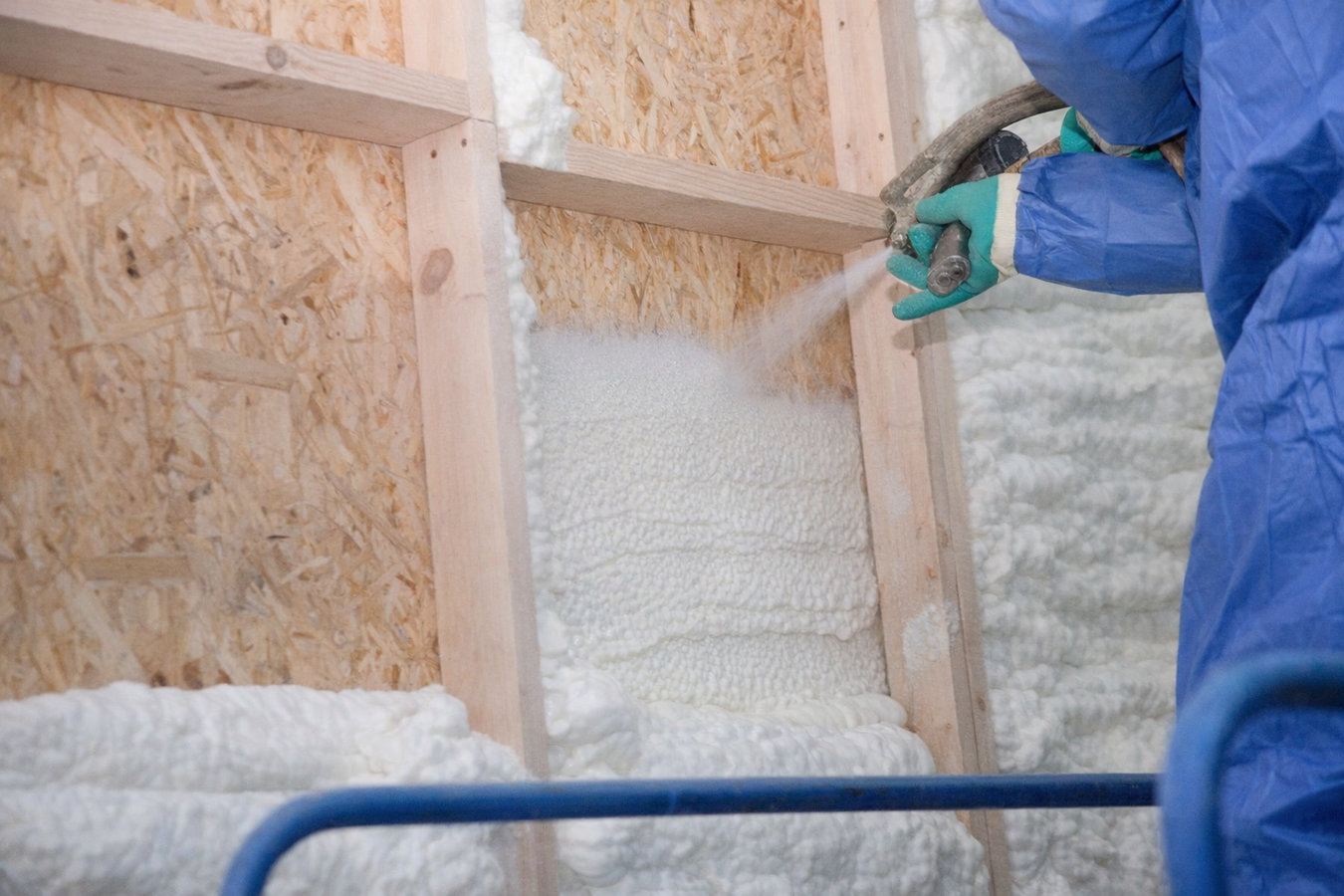
Cold floors and high winter heating bills in your Petaluma home often trace straight back to an uninsulated basement. We check for moisture first, then seal and insulate so the improvement lasts.
Basement insulation in Petaluma creates a barrier between the cold ground and your living space, cuts heating costs, and stops seasonal moisture from moving up into the floors above - most jobs are completed in one to two days with no need to leave your home.
If the floors above your basement feel cold in winter despite a working heating system, the basement itself is likely the source. Without insulation between the cold foundation and your living space, heat escapes downward and cold air migrates up. This is one of the most common comfort complaints in Petaluma homes, especially those built before the 1980s when insulation standards were minimal or nonexistent. Basement insulation addresses the root cause rather than masking it with a higher thermostat setting.
Basements are also where moisture problems start - and insulation installed over a damp wall creates a mold problem rather than solving a comfort one. We always assess moisture conditions first. Many Petaluma homeowners pair basement insulation with closed-cell foam insulation at the rim joist and foundation walls for a complete solution.
If the floors in rooms directly above your basement feel noticeably cold in winter - especially in the morning before the heat has run for a while - that is a strong sign cold air from below is moving up through an uninsulated or under-insulated basement ceiling. In Petaluma homes built before the 1980s, this gap between basement and living space was often never properly sealed.
Petaluma's rainy season runs roughly November through March, and during those months an uninsulated basement acts like a cold sponge under your home. If your gas or electric bill climbs sharply in fall and stays high all winter - even in a home that otherwise seems well-maintained - the basement is often the overlooked culprit.
A persistent musty odor after Petaluma's heavy winter rains is a sign that moisture is getting in and not drying out. This means you need a moisture assessment before any insulation work begins - not after. Insulating over a damp wall is one of the fastest ways to create a mold problem inside your foundation.
The area where your foundation wall meets the wooden frame of your house - called the rim joist - is one of the most common air leak points. If you can see light coming through gaps near the top of the basement wall, or feel cold air on a windy day, that space needs both air sealing and insulation before the next rainy season.
We insulate basement walls, the ceiling between the basement and the first floor, and the rim joist - the wooden frame that sits on top of your foundation wall and is one of the biggest air leak points in any home. Every project starts with a moisture assessment because insulating over a wet surface does not fix anything - it creates a hidden problem. For Petaluma homes with older poured-concrete or brick foundations, we often use closed-cell foam insulation at the rim joist because it seals and insulates in a single step. For the broader wall surface, we match the material to the specific conditions we find.
When the basement connects to a crawl space or has a dirt floor, we also recommend encapsulating that area with a crawl space insulation treatment to stop ground moisture from migrating upward. California requires permitted insulation work to meet its current energy code minimums - stricter than most states - and we handle permit coordination through the City of Petaluma so you do not have to manage that yourself. According to the U.S. Department of Energy, properly insulating and air sealing a basement can reduce heating and cooling costs by 10 to 20 percent annually.
Best for finished or heated basements where the whole lower level should be within your home's thermal envelope - keeps the entire space warmer with less heating effort.
Suited for unheated basements where the goal is protecting the floors above - keeps first-floor rooms warmer without heating the basement space itself.
The highest-impact starting point for most Petaluma homes - closing air gaps where the foundation meets the frame stops cold air infiltration that no amount of wall insulation can fix.
Required before any insulation in Petaluma's damp climate - we check for water intrusion, staining, and efflorescence so insulation goes in only when the surface is ready.
Petaluma sits in the Petaluma River valley and receives an average of about 27 inches of rain per year, almost all of it between November and March. That seasonal moisture concentration means basements here face humidity challenges that homes in drier inland cities simply do not see. A significant share of the city was built before 1980, long before California adopted its current insulation requirements, so many homes have never had a proper basement treatment. Homeowners in the older neighborhoods on the west side - many of whom live in Victorian and Craftsman-era homes over a century old - are often starting from zero when it comes to foundation insulation. Santa Rosa homeowners with similarly aged housing stock face the same pattern.
Petaluma also sits in a seismically active area, and older foundations here sometimes show settling, shifting, or cracking that creates air gaps along the rim joist. A basement insulation project is often the first time a homeowner learns about these conditions - because a good contractor flags what they find rather than insulating over it. Residents in Rohnert Park with postwar-era slab foundations see different conditions, but Petaluma homes with true basements or raised foundations have specific needs that a contractor familiar with local housing stock will understand.
We will ask a few basic questions - the age of your home, whether the basement is finished or unfinished, and whether you have noticed any moisture or drafts. We reply within one business day and can usually schedule an on-site visit within a week.
We walk through the basement, check for moisture, measure the space, and look for air gaps at the rim joist and wall penetrations. We explain what we find in plain language and give you a written estimate before any work is scheduled - no pressure.
If the project requires a permit, we handle that through the City of Petaluma Building Division - you do not manage it. Once the permit is in hand we confirm the installation date, and you clear stored items from the walls so we have full access.
Most jobs are done in one to two days. We seal air gaps first, then install insulation. When the work is complete, we walk you through the finished basement and explain what was installed. If a city inspection is required, we schedule it - you do not need to be present.
Free estimate. No obligation. We check for moisture before any insulation goes in.
(707) 750-8396We do not start installing insulation until we have checked your basement for water intrusion, staining, or efflorescence. Petaluma's wet winters make this non-negotiable - insulating over a damp wall traps moisture and causes mold. Every project begins with this check, not as an upsell, but as the standard.
California has some of the strictest insulation requirements in the country, and permitted work in Petaluma goes through the City's Building Division. We handle permit coordination on your behalf - you should not have to navigate city hall to get your basement insulated. The city inspection that follows is what protects you if you ever sell the home.
We have worked on Petaluma homes ranging from Victorian-era buildings on the west side to postwar ranch homes and newer east side subdivisions. That range of experience matters because a 1910 poured-concrete foundation and a 1965 concrete-block wall require different approaches - we know which to use before we show up at your door.
We give you a free written estimate before any work starts, so the scope and price are clear from the beginning. We pull our own permits when the job requires them - we never ask homeowners to manage that - and we document the work so you have a record for years to come.
Basement insulation in an older Petaluma home is not a commodity job - the moisture conditions, foundation material, and local permit process all affect how it gets done. We bring the local knowledge to do it right the first time, so you are not calling someone else to fix it in two years.
The densest and most moisture-resistant spray foam option - often the right choice for Petaluma basement walls and rim joists where moisture exposure is high.
Learn moreWhen a basement connects to a dirt-floor crawl space, crawl space insulation and encapsulation stop ground moisture from migrating upward into the living area.
Learn morePetaluma's rainy season starts in November - get your basement assessed and sealed before the cold and moisture return. Call or submit a request today.