
Loading...
Serving Petaluma, CA and surrounding areas. (707) 750-8396
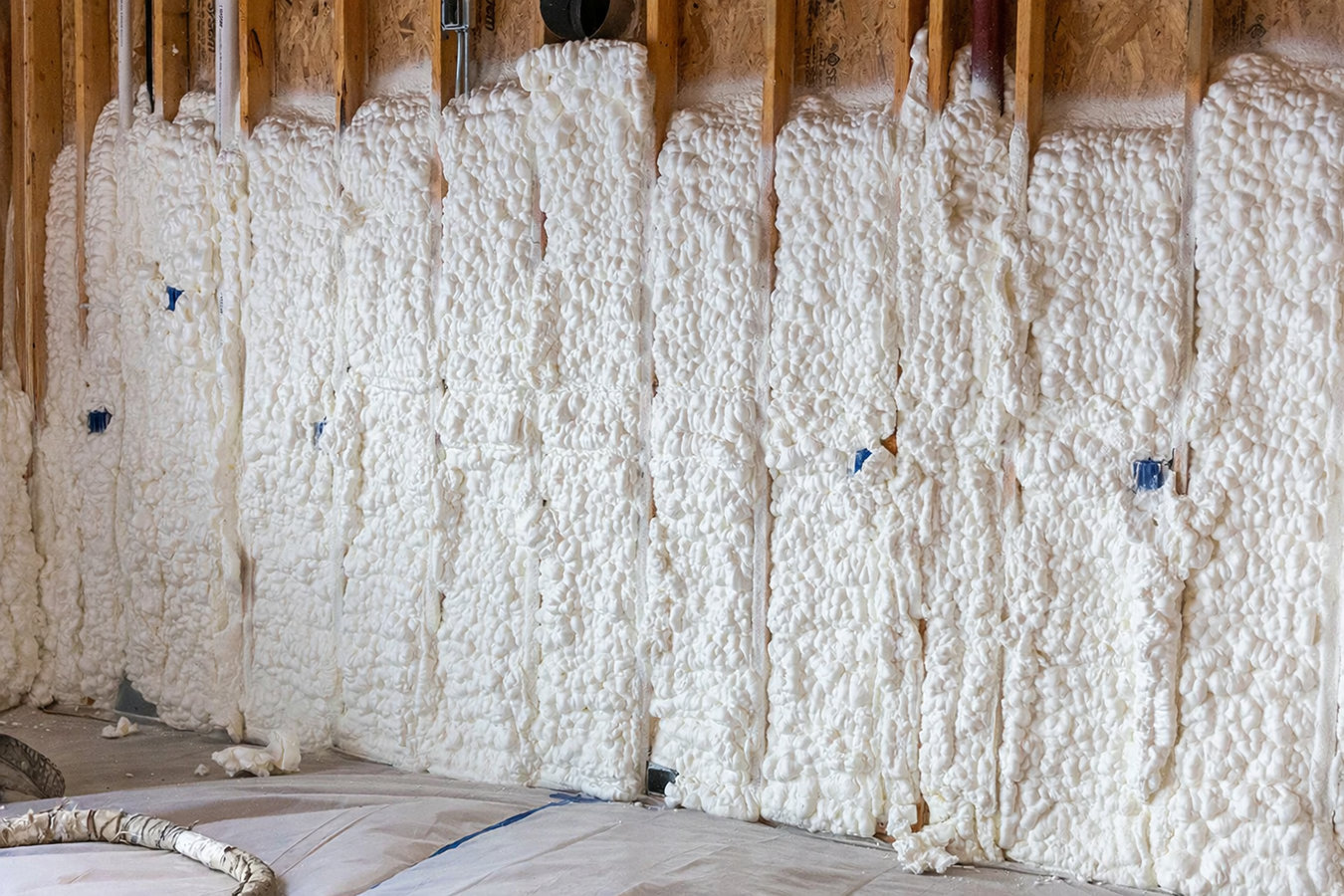
Older Petaluma homes with damp crawl spaces, cold floors, and gaps that let in marine air and wildfire smoke get a lasting fix from closed-cell foam - one material that seals and insulates in a single application.
Closed-cell foam insulation in Petaluma fills gaps, seals against moisture, and delivers the highest insulating value per inch of any material we install - most projects are completed in a single day, though you will need to be out of the house for at least 24 hours after the work is done.
Unlike fiberglass batts or blown-in insulation, closed-cell foam does two jobs at once. It insulates the surface and seals the gaps that let outside air in. Once it hardens - which happens within seconds of being sprayed - it becomes a firm, dense layer that does not settle, compress, or absorb moisture. For Petaluma homeowners dealing with crawl spaces that take on moisture every winter, or with floors that never seem to warm up, this combination is what makes the difference. The homes most likely to benefit are the ones built before 1980, when air sealing simply was not part of how houses were put together.
Closed-cell foam is commonly paired with a broader spray foam insulation project when homeowners want to address multiple areas - crawl space, attic, and rim joist - in a single visit. If you are trying to decide between closed-cell and open-cell foam, the key difference is moisture resistance: closed-cell is the right choice for any area that sees seasonal dampness.
If your kitchen or living room floor feels noticeably cold in the morning despite the thermostat being set comfortably, your crawl space is likely uninsulated or relying on materials that have degraded. In Petaluma's damp winters, cold air and moisture from below the house move upward through the floor framing. This is one of the most common complaints from homeowners in older Petaluma neighborhoods, and it is one of the clearest signs the crawl space needs attention.
A musty smell that strengthens during Petaluma's November-through-April wet season often means moisture is moving into the crawl space and rising into the living area. This is not just an odor problem - it signals gaps in the building envelope that let damp marine air in constantly. Closed-cell foam seals those pathways where they start and stops moisture migration at the source.
If your home took on a smoky odor during a recent Sonoma County fire event despite closed windows and doors, that is direct evidence that outside air is infiltrating through unsealed gaps. Smoke follows the same pathways as drafts - through crawl space framing, attic penetrations, and rim joist gaps. A home with properly applied closed-cell foam holds out smoke far more effectively than a leaky one.
Petaluma's climate is unusual - cool and foggy in the morning, sometimes warm in the afternoon - and if your system seems to run all day without catching up, your home is likely losing conditioned air through gaps in the walls, attic, or crawl space. That constant cycling shows up directly on your utility bill, and it will not improve by upgrading the equipment if the envelope is what is leaking.
We apply closed-cell foam in crawl spaces, basements, attic rim joists, and exterior wall cavities throughout Petaluma and surrounding Sonoma County. Every project starts with an on-site assessment to check for moisture, existing insulation, and any conditions - including foundation gaps or pest damage - that need to be addressed before spraying. For most Petaluma homes, we concentrate on the crawl space walls and rim joist first because those areas deliver the biggest per-dollar improvement in comfort and moisture control. We also pair crawl space closed-cell foam with a full open-cell foam insulation treatment in the attic when the goal is a complete thermal and air sealing upgrade in a single visit.
California requires permitted insulation work to meet the state energy code minimums - stricter than the national baseline - and we handle permit coordination through the City of Petaluma Building Division. After installation, you and all pets need to stay out of the home for at least 24 hours while the foam cures. According to the U.S. EPA, re-entry timing should be confirmed by your contractor based on project scope and ventilation. The Spray Polyurethane Foam Alliance sets the professional standards for installation thickness and quality that we follow on every job.
The highest-impact application for most Petaluma homes - sealing the crawl space with closed-cell foam stops moisture migration, cold air infiltration, and the musty odors that come with a damp winter crawl space.
Closed-cell foam on basement walls suits older Petaluma foundations that are porous or have cracks - it insulates and creates a moisture barrier in a single layer without requiring a separate vapor retarder.
Applied directly to the underside of roof sheathing, closed-cell foam creates an unvented conditioned attic - a good choice for homes with HVAC equipment in the attic that is currently being heated or cooled by the outside air.
When wall cavities are opened for renovation work, closed-cell foam can be applied in place of or in addition to batts - particularly useful in rooms on the west side of a home that face the prevailing marine wind.
Petaluma sits at the northern edge of San Pablo Bay, where marine air funnels inland through the Petaluma Gap year-round. Summers are mild but cool and foggy in the morning, while winter brings concentrated rainfall - about 27 inches a year mostly between November and April. That combination of daily temperature swings and seasonal moisture makes closed-cell foam a particularly well-suited material for this area. It handles both problems at once: it insulates against the thermal swing and resists moisture at the surface where other materials would absorb it. A large share of Petaluma's housing stock was built before these conditions were properly accounted for in construction standards, which means homes throughout the city's older west-side neighborhoods are starting from a position of significant air and moisture exposure. Novato homeowners in similarly aged Marin County neighborhoods face much of the same climate profile.
Sonoma County's increasingly active wildfire seasons have also changed what Petaluma homeowners expect from their homes during fire events. A well-sealed crawl space and attic keep smoke-laden outdoor air from infiltrating the living space through the same gaps that let in cold drafts. Homeowners who completed closed-cell foam projects before recent fire seasons reported meaningfully less smoke infiltration compared to neighbors who had not done the work. Residents in Santa Rosa, which sits closer to recent fire perimeters, have made this work a priority for the same reason.
We ask a few basic questions about the space you want insulated, your home's age, and any comfort or moisture issues you have noticed. We reply within one business day and typically schedule an on-site visit within a week or two.
We walk the crawl space, attic, or walls you want treated, check for moisture and existing insulation, and take measurements. You receive a written estimate that breaks down the area and cost - no verbal quotes, no surprise charges on install day.
For most closed-cell foam projects in Petaluma involving conditioned spaces, a permit is required. We handle that through the City's Building Division - you do not manage it. Once the permit is in hand, we confirm the installation date and let you know how long to plan to be out of the home.
The crew masks off surfaces, sets up ventilation, and applies foam in measured passes - most jobs are done in a single day. You and all pets stay out for at least 24 hours. After curing, we walk you through the work; if an inspection is required, we coordinate it.
Free estimate. Written quote before any work starts. We handle the permit.
(707) 750-8396Closed-cell foam applied over a moisture problem or pest damage seals the issue inside rather than fixing it. Before we spray anything, we walk the crawl space and check for water staining, efflorescence, and wood damage. In Petaluma's damp climate, this step is not optional - it is what separates a lasting result from a problem you will not discover until the damage is done.
Permitted spray foam work in Petaluma goes through the City's Building Division, and a city inspector verifies the installation after we finish. We coordinate the permit and schedule the inspection - you should not have to manage that process yourself. The inspection that follows protects your investment and matters when you eventually sell the home.
We have worked with Petaluma homeowners specifically motivated by wildfire smoke infiltration - a real concern in this region after several severe fire seasons. Closed-cell foam in the crawl space and attic is one of the most effective ways to reduce smoke infiltration, and we know from local experience where the gaps tend to be in Petaluma's housing stock.
We give you a free written estimate up front and document every job from start to finish. We pull our own permits, and never ask homeowners to navigate the permitting process themselves. Our work meets current California energy code requirements.
Closed-cell foam is not the cheapest insulation option - but in Petaluma homes where moisture and air infiltration have gone unaddressed for decades, it is often the most effective one, and any reputable closed cell spray foam installer will tell you the same. We bring the local knowledge and process discipline to make sure the investment holds up for the life of your home.
A softer, lower-density foam that excels in interior walls and attic cavities where moisture resistance is less critical and sound absorption is a priority.
Learn moreThe broader spray foam service that can include both closed-cell and open-cell applications across multiple areas of your home in a single project.
Learn moreSpots fill quickly before Petaluma's rainy season - call now or submit a request and we will walk your crawl space, give you a written quote, and handle the permit.